- Your cart is empty
- Continue Shopping

Hair Loss
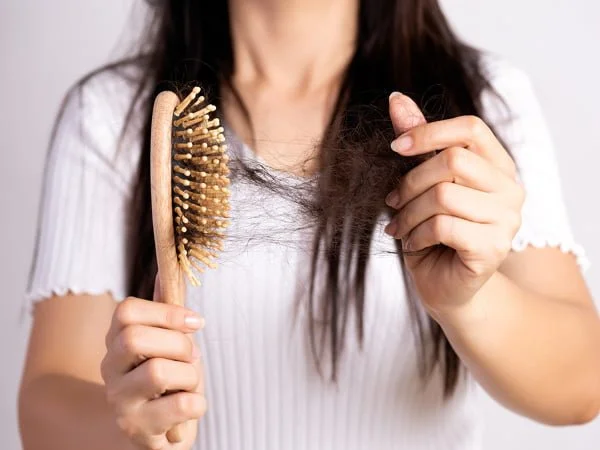
Hair loss is a common concern that can affect both men and women at different stages of life. Losing some hair every day is normal, as hair naturally goes through cycles of growth, rest and shedding.
However, noticeable or persistent hair loss may have several possible causes and sometimes requires professional evaluation.
Understanding why hair loss occurs is the first step toward finding the most appropriate approach.
What Causes Hair Loss?
Hair loss can happen for many different reasons. Some of the most common factors include:
Hereditary or genetic factors
Hormonal changes
Stress or significant emotional or physical events
Nutritional deficiencies
Certain medications
Thyroid and other health conditions
Illness or high fever
Pregnancy and the postpartum period
Tight hairstyles or repeated hair treatments
Certain scalp conditions
Because there are many possible causes, the same treatment may not be appropriate for everyone.
Is Hair Shedding Normal?
It is normal to lose some hair every day. Hair follicles continuously move through different phases of the hair-growth cycle, meaning that some hairs naturally fall out while new hairs grow.
Temporary increases in shedding can also occur after certain stressful events or changes in the body.
If you notice persistent, excessive or sudden hair loss, however, it is worth discussing it with a healthcare professional.
Hair Loss and Nutrition
A balanced diet provides nutrients needed for normal hair and body function.
Important nutrients include:
Iron
Iron contributes to normal energy metabolism and normal formation of red blood cells. Low iron levels can be associated with hair shedding in some people.
Zinc
Zinc contributes to the maintenance of normal hair, skin and nails.
Biotin
Biotin contributes to the maintenance of normal hair and skin.
Vitamin D
Vitamin D has several important roles in the body, although supplementation should generally be based on individual needs.
Protein
Hair is largely made of a protein called keratin, making adequate protein intake an important part of a balanced diet.
Good nutrition is important, but taking supplements without identifying a deficiency is not necessarily helpful. Excessive intake of some nutrients can also cause problems.
Hair Loss After Pregnancy
Increased hair shedding is common after pregnancy.
During pregnancy, hormonal changes can affect the normal hair-growth cycle. After delivery, more hairs may enter the shedding phase, which can make hair loss appear more noticeable.
This type of shedding is generally temporary, and hair growth often improves over time.
If hair loss is severe, continues for a prolonged period or is accompanied by other symptoms, speak with your doctor or dermatologist.
How Can I Take Care of My Hair?
Gentle hair care can help reduce unnecessary damage and breakage.
Try to:
Avoid very tight hairstyles
Be gentle when brushing wet hair
Limit excessive heat from hair dryers and styling tools
Avoid frequent harsh chemical treatments
Use a gentle shampoo appropriate for your scalp
Avoid aggressive rubbing of the scalp
Maintain a balanced diet and adequate hydration
These measures cannot prevent every type of hair loss, particularly genetic or medical causes, but they can help maintain healthy hair and reduce avoidable damage.
When Should You See a Doctor?
It is a good idea to seek professional advice if you experience:
Sudden or rapid hair loss
Noticeable bald patches
Significant thinning of the hair
Hair loss accompanied by scalp redness, scaling, itching or pain
Hair loss together with fatigue or other unexplained symptoms
Persistent hair loss without an obvious cause
A doctor or dermatologist can examine the scalp and, when appropriate, recommend further tests to investigate possible causes.
Can Supplements Help?
Hair supplements are widely available and may contain ingredients such as biotin, zinc, iron or other vitamins and minerals.
However, supplements are not a universal treatment for hair loss. They are most likely to be useful when a nutritional deficiency or increased nutritional requirement has been identified.
Before taking a supplement, especially one containing iron or high doses of vitamins and minerals, speak with a doctor or pharmacist. They can help determine whether supplementation is appropriate for you.
Final Thoughts
Hair loss can have many different causes, from temporary changes and nutritional deficiencies to genetic factors and medical conditions.
A healthy diet, gentle hair care and professional advice can all play a role in managing the problem. Most importantly, identifying the underlying cause is essential when hair loss is persistent, sudden or significant.
At Farmaci Arlinda, our pharmacy team can help you choose suitable hair and scalp care products and provide guidance on vitamins and supplements. If you are concerned about ongoing hair loss, we recommend discussing your symptoms with a qualified healthcare professional.
This article is intended for general educational purposes and does not replace medical diagnosis or treatment. If you are experiencing persistent or sudden hair loss, consult your doctor or dermatologist for personalized advice.