- Your cart is empty
- Continue Shopping

Nutrients needed for bones and joints
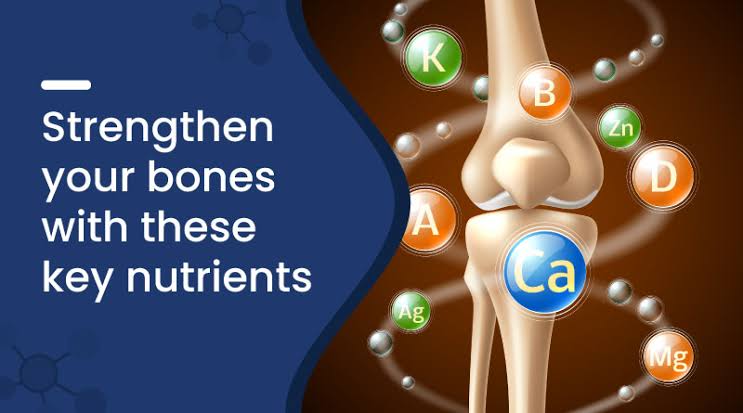
Our bones and joints support us every day. They allow us to move, protect important organs and provide structure to the body. Maintaining strong bones and healthy joints is therefore an important part of overall wellbeing.
A balanced diet provides many of the nutrients our body needs to maintain normal bone and muscle function. Some nutrients are particularly important for bone strength, mineralization and normal connective tissue function.
Calcium: The Building Block of Bones
Calcium is one of the most important minerals for maintaining normal bones and teeth.
The body stores most of its calcium in the bones, where it contributes to their strength and structure. Calcium is found in foods such as:
Milk, yogurt and cheese
Sardines and other fish eaten with bones
Leafy green vegetables
Fortified plant-based drinks
Almonds and other nuts
Certain calcium-fortified foods
A balanced diet can usually provide calcium requirements, although supplementation may be appropriate for some people following professional advice.
Vitamin D: Helps the Body Use Calcium
Vitamin D plays an important role in calcium absorption and contributes to the maintenance of normal bones and muscles.
The body can produce vitamin D when the skin is exposed to sunlight, while smaller amounts can also come from foods such as oily fish, eggs and fortified foods.
Vitamin D levels can vary depending on factors such as season, lifestyle and sun exposure. In some cases, supplementation may be recommended by a healthcare professional.
Vitamin K: Supporting Bone Health
Vitamin K contributes to the maintenance of normal bones and is involved in normal blood clotting.
It can be found naturally in foods such as:
Spinach
Kale
Broccoli
Cabbage
Other green leafy vegetables
A varied diet containing vegetables can help provide vitamin K.
Magnesium: Important for Bones and Muscles
Magnesium contributes to normal muscle function and the maintenance of normal bones.
Good dietary sources include:
Nuts and seeds
Whole grains
Legumes
Green leafy vegetables
Dark chocolate
Some fish
Including a variety of these foods in your diet can help support adequate magnesium intake.
Vitamin C: Important for Connective Tissue
Vitamin C is best known for its role in supporting the immune system, but it also contributes to normal collagen formation, which is important for the normal function of bones, cartilage and skin.
Excellent sources of vitamin C include:
Oranges and other citrus fruits
Kiwi
Strawberries
Peppers
Broccoli
Tomatoes
Eating a variety of fruits and vegetables is a simple way to increase your vitamin C intake.
Protein: Essential for the Body
Protein is an important component of bones and muscles and is needed for many processes throughout the body.
Good sources include:
Fish
Eggs
Lean meat
Dairy products
Beans and lentils
Nuts and seeds
Soy products
Including an adequate amount of protein as part of a balanced diet can support overall musculoskeletal health.
Omega-3 Fatty Acids
Omega-3 fatty acids are found naturally in foods such as oily fish, including salmon, sardines and mackerel.
They are part of a balanced diet and contribute to overall nutritional health. If you do not regularly eat fish, you can discuss dietary alternatives or supplements with your pharmacist or healthcare professional.
A Balanced Diet Comes First
No single vitamin or mineral can replace a healthy, balanced diet.
For healthy bones and joints, try to include a variety of:
Fruits and vegetables
For vitamins, minerals and antioxidants.
Dairy or suitable alternatives
For calcium and, in fortified products, vitamin D.
Fish, eggs and other protein sources
For protein and other essential nutrients.
Nuts, seeds and whole grains
For magnesium, protein and other nutrients.
Alongside nutrition, regular physical activity and maintaining a healthy lifestyle are also important components of overall bone and muscle health.
When Might Supplements Be Considered?
Some people may have difficulty getting enough of certain nutrients from their diet. This can depend on age, dietary pattern, lifestyle and individual health circumstances.
Supplements should not automatically be considered necessary for everyone. Taking excessive amounts of certain vitamins or minerals can also be harmful.
Before starting a supplement, especially if you take medication or have an existing health condition, speak with your doctor or pharmacist.
Final Thoughts
Healthy bones and joints depend on many factors, including nutrition, physical activity, lifestyle and age.
Calcium, vitamin D, vitamin K, magnesium, vitamin C and adequate protein all play different roles in supporting normal body functions related to bones, muscles and connective tissue.
A varied and balanced diet is the best place to start. If you are concerned about your nutrient intake or are considering a vitamin or mineral supplement, your pharmacist can help you choose an appropriate product based on your individual needs.
This article is intended for general educational purposes and does not replace personalized medical or nutritional advice. Always consult a qualified healthcare professional if you have concerns about your bone or joint health.